
As privacy concerns and data security become increasingly paramount, many users are seeking alternatives to mainstream messaging apps like WhatsApp. Open source applications not only provide transparency in their operations but also often prioritize user privacy. Here, we explore five of the best open-source alternatives to WhatsApp: Signal, Telegram, Threema, Session, and Briar.
1. Signal
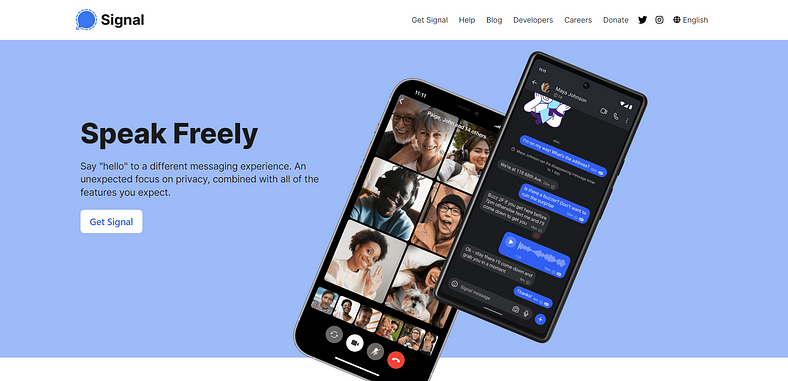
Signal is widely regarded as one of the best alternatives to WhatsApp, especially for those prioritizing privacy. It is developed by a non-profit organization and utilizes end-to-end encryption for all communications. Key Features:
- End-to-End Encryption: All messages, calls, and media are secure from third-party access.
- Self-Destructing Messages: Users can set messages to disappear after a certain time.
- Cross-Platform Support: Available on Android, iOS, Windows, macOS, and Linux.
- Open Source: The code is publicly available for review, ensuring transparency.
Signal has garnered endorsements from privacy advocates and public figures like Edward Snowden and Elon Musk due to its robust security measures and commitment to user privacy
2. Telegram
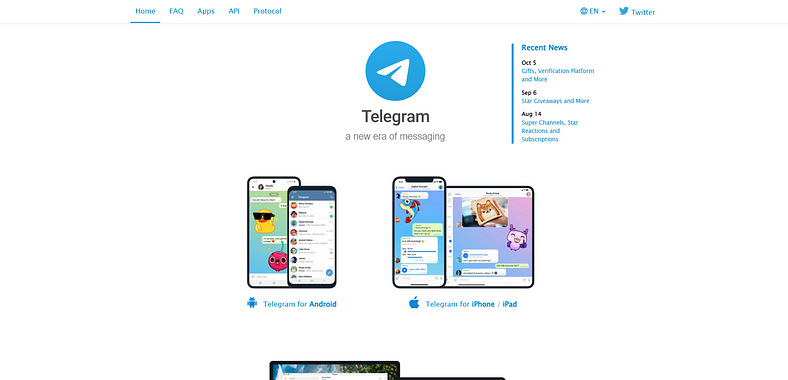
While Telegram is not fully open source (only its client-side code is), it remains a popular choice due to its feature-rich environment and better privacy policies compared to WhatsApp. Key Features:
- Cloud-Based Storage: Users can access messages from any device without needing local backups.
- Secret Chats: Offers end-to-end encryption for private conversations.
- Public Channels and Groups: Users can create channels for broadcasting messages to large audiences.
- File Sharing: Supports sending large files up to 2GB.
Despite some criticisms regarding its security practices, Telegram provides a convenient platform for both personal and group communication
3. Threema (Paid)
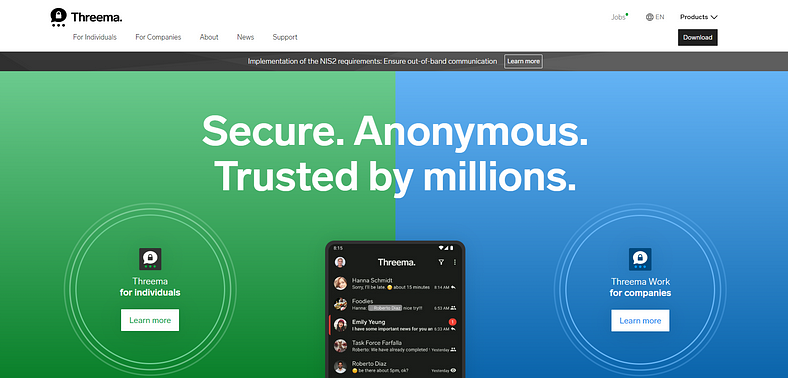
Threema is a Swiss-based messaging app that emphasizes security and privacy. Although it requires a one-time purchase, its features justify the cost for many users. Key Features:
- No Phone Number Required: Users can communicate anonymously without linking their identity.
- End-to-End Encryption: All communications are encrypted from sender to receiver.
- Group Management Features: Users can create groups and conduct polls within chats.
- Cross-Platform Compatibility: Available on Android, iOS, and as a web app.
Threema’s commitment to privacy is reflected in its business model, which does not rely on advertising or data mining
4. Session
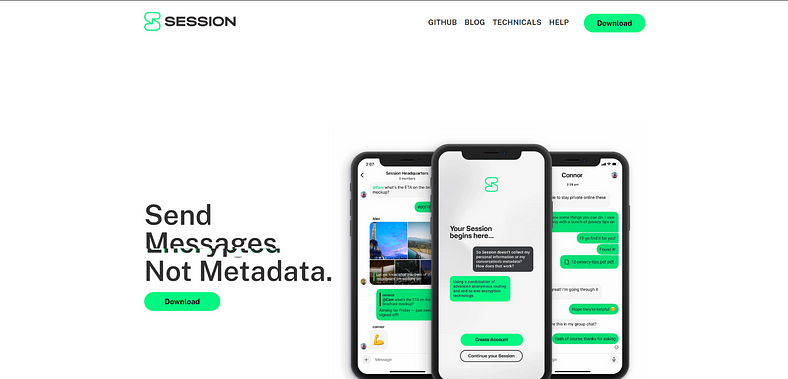
Session is an innovative messaging app that takes privacy a step further by eliminating the need for phone numbers or email addresses during registration. Key Features:
- Decentralized Network: Operates on a blockchain-based system, enhancing reliability without central servers.
- Anonymous Messaging: Users create a Session ID instead of using identifiable information.
- End-to-End Encryption: Ensures that only the intended recipients can read messages.
While Session may experience occasional delays due to its decentralized nature, it offers a unique approach for users focused on anonymity and security
5. Briar
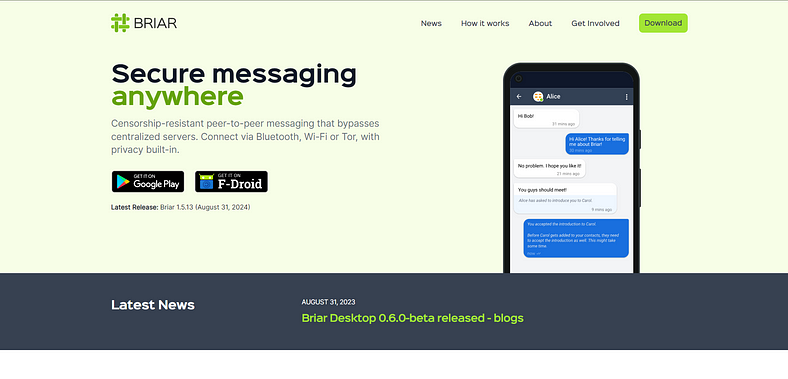
Briar is designed specifically for users who require secure communication even in situations where internet access may be limited. It operates over Bluetooth or Wi-Fi Direct when traditional networks are unavailable. Key Features:
- Peer-to-Peer Communication: Messages are sent directly between devices without relying on central servers.
- Resilience Against Censorship: Works offline and can function even in restrictive environments.
- End-to-End Encryption: Ensures that all communications remain private.
Briar is particularly useful for activists or individuals in regions with heavy surveillance or censorship
Conclusion
Choosing the right messaging app depends on individual needs regarding privacy, usability, and features. Each of these open-source alternatives offers unique advantages:
- Signal is perfect for those prioritizing top-notch security.
- Telegram provides a balance between features and privacy.
- Threema, while paid, offers robust anonymity options.
- Session focuses on decentralization and user anonymity.
- Briar, ideal for offline communication needs.
As digital privacy continues to evolve as a critical concern, exploring these alternatives can help users maintain control over their personal information while enjoying seamless communication.
 Dark Legion