Introduction:
In an era dominated by information and connectivity, social media has emerged as a powerful force shaping the way we communicate, engage with politics, and access news. However, alongside its undeniable benefits, questions have arisen about the impact of social media on democratic processes. 🤔🗳️ In this blog post, we will delve into the intricate relationship between social media and democracy, examining both the positive and negative aspects, and exploring the challenges and responsibilities associated with this dynamic intersection. 🌐📱
The Positive Influence of Social Media on Democracy:
- Increased Access to Information: 📰🌍 Social media platforms have democratized access to information, enabling citizens worldwide to stay informed about political events, policies, and global issues. This democratization of information can empower individuals, fostering a more informed and engaged citizenry.
- Enhanced Political Participation: 👥🗣️ Social media facilitates unprecedented levels of public engagement in political discourse. Citizens can voice their opinions, participate in online debates, and connect with like-minded individuals, transcending geographical barriers. This increased participation contributes to a more vibrant and inclusive democratic process.
- Political Activism and Mobilization: 📣🌐 Social media has played a pivotal role in organizing and mobilizing movements. From grassroots campaigns to large-scale protests, platforms like Twitter and Facebook provide a space for individuals to advocate for social and political change, amplifying voices that may otherwise go unheard.
The Dark Side of Social Media and Its Impact on Democracy:
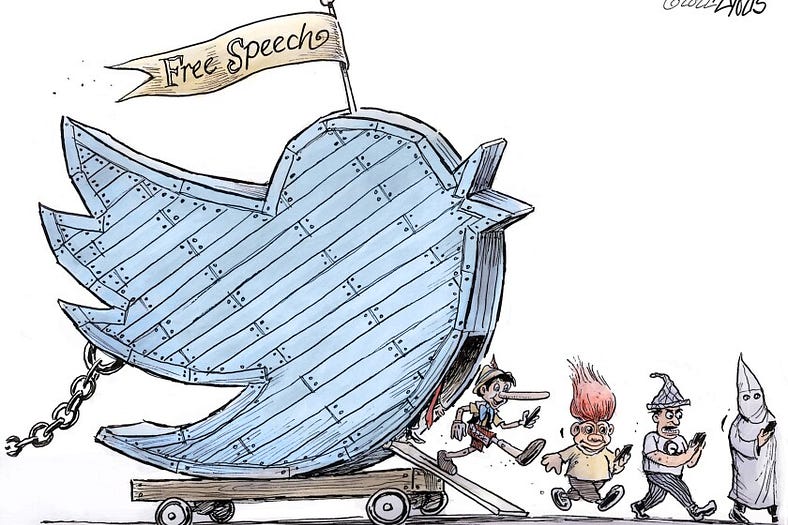
- Spread of Misinformation: 🚫📣 One of the most significant challenges posed by social media is the rapid dissemination of misinformation and fake news. False narratives, propaganda, and manipulated content can spread virally, influencing public opinion and undermining the integrity of democratic processes.
- Filter Bubbles and Echo Chambers: 🔍🔮 Social media algorithms contribute to the creation of filter bubbles, where users are exposed to information that aligns with their existing beliefs. This self-reinforcing echo chamber effect can polarize societies, hindering constructive dialogue and fostering ideological divides.
- Manipulation of Political Discourse: 🤖💬 Malicious actors, including foreign entities and cybercriminals, exploit social media platforms to manipulate political discourse. Coordinated disinformation campaigns, fake accounts, and hacking attempts can disrupt elections and manipulate public perception, posing a direct threat to democratic processes.
Addressing the Challenges:
- Algorithmic Transparency and Accountability: 🤖🔍 Social media companies must prioritize transparency in their algorithms and take responsibility for the impact their platforms have on political discourse. Efforts to disclose how content is curated and combat the spread of misinformation are essential for fostering trust.
- Media Literacy Education: 🧠📚 Promoting media literacy is crucial for empowering users to critically evaluate the information they encounter on social media. Educational initiatives that teach individuals to discern reliable sources from misinformation can help build a more resilient and discerning online community.
- Regulatory Measures: 📜⚖️ Governments and regulatory bodies play a crucial role in mitigating the negative impact of social media on democracy. Implementing and enforcing regulations that address issues such as data privacy, content moderation, and political advertising are essential for maintaining the integrity of democratic processes.
Conclusion:
The relationship between social media and democracy is complex, marked by both positive and negative influences. 🌐📱 While social media has the potential to enhance political engagement and information dissemination, the challenges posed by misinformation, filter bubbles, and political manipulation require careful consideration and proactive solutions. As we navigate the evolving landscape of digital communication, a collective effort from users, social media platforms, and policymakers is essential to safeguarding the foundations of democracy in the 21st century. 🤔🗳️
 Dark Legion