
Introduction:
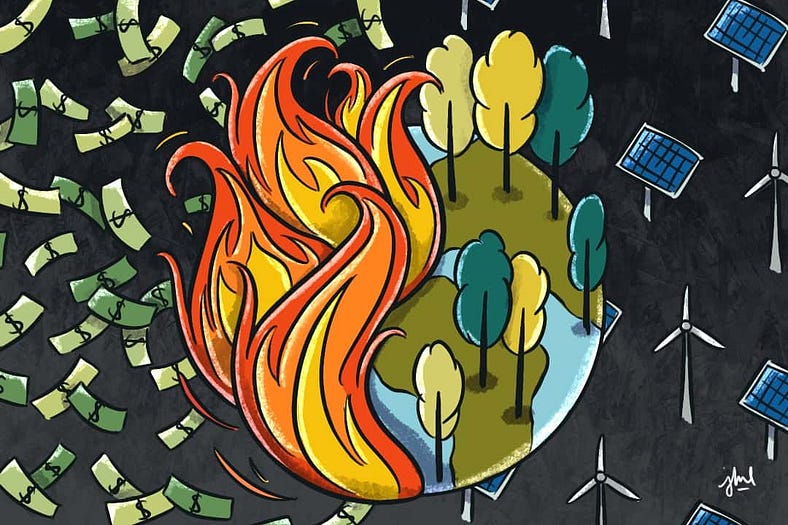
In the face of escalating climate change concerns, technology is emerging as a powerful ally in the global effort to mitigate environmental impact and foster sustainability. 🌿🔧 In this blog post, we will explore five cutting-edge climate tech solutions that are at the forefront of driving positive change, offering innovative ways to address environmental challenges and create a more sustainable future for our planet. 🌐🌱
- Renewable Energy Innovation: 🌞⚡️The transition to renewable energy sources is a cornerstone of climate action. Technological advancements in solar and wind energy have made these sources more efficient and cost-effective. 🌞 Solar energy innovations include advanced photovoltaic cells, concentrating solar power systems, and even solar paint, turning surfaces into energy-generating panels. On the wind energy front, improvements in turbine design and offshore wind farms are increasing efficiency and scalability.
- Carbon Capture and Storage (CCS): 🌫️🔄Carbon capture and storage technology play a vital role in reducing greenhouse gas emissions from industrial processes and power plants. Innovations in this field involve developing more efficient capture methods and finding suitable storage solutions. Direct air capture, a technology that removes CO2 directly from the atmosphere, is gaining traction as a promising approach to mitigate existing emissions.
- Smart Agriculture and Precision Farming: 🚜🌾Agriculture is a significant contributor to greenhouse gas emissions and deforestation. Climate tech solutions in agriculture focus on precision farming techniques that optimize resource use, reduce waste, and minimize environmental impact. IoT devices, sensors, and AI-driven analytics help farmers make data-informed decisions, leading to more sustainable and efficient farming practices. This includes precision irrigation, crop monitoring, and automated pest control.
- Circular Economy and Sustainable Materials: ♻️🌐The concept of a circular economy aims to minimize waste by designing products for reuse, recycling, and remanufacturing. Innovations in sustainable materials and recycling technologies are crucial components of this approach. Bio-based materials, such as bioplastics, and advancements in recycling processes, including chemical recycling, are transforming the way we produce and consume goods, reducing our reliance on traditional, environmentally harmful materials.
- Smart Cities and Green Infrastructure: 🏙️🌳Urbanization poses unique challenges to the environment, but smart city solutions are leveraging technology to create more sustainable urban spaces. Green infrastructure initiatives involve the integration of nature into urban planning, with features like green roofs, vertical gardens, and urban forests. Smart city technologies, including efficient public transportation systems, smart grids, and waste management solutions, contribute to reducing the ecological footprint of urban areas.
Conclusion:
As we navigate the complexities of climate change, technology is proving to be a driving force in reshaping our relationship with the environment. 🌍💡 The top 5 climate tech solutions outlined above represent just a glimpse of the innovative approaches being deployed to address the urgent challenges we face. By embracing these solutions and fostering a culture of sustainability, we can collectively work towards building a greener, more resilient future for generations to come. 🌿🔧 Let us continue to support and champion these advancements as we strive to create a harmonious balance between technological progress and the well-being of our planet. 🌐🌱
 Dark Legion