

ReactJS has revolutionized the way we build web applications, offering a declarative and component-based approach to front-end development. To take your React skills to the next level and maximize your productivity, it’s essential to explore various tips and tricks that can enhance your development process. In this blog post, we will dive into five valuable tips and tricks for mastering ReactJS.
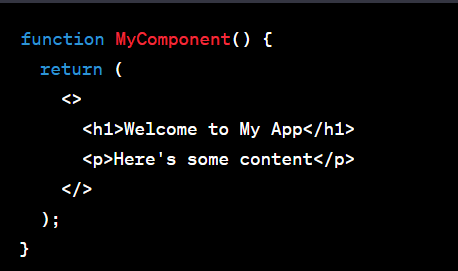
- Use React Fragments for Cleaner Code: One common challenge when rendering multiple elements in React is the requirement for a wrapping parent element. However, this can lead to unnecessary div soup and add unnecessary markup. Enter React Fragments! With React Fragments, you can group multiple elements without introducing additional markup. They provide a clean and concise solution when rendering lists or components without the need for a parent element.
Example:
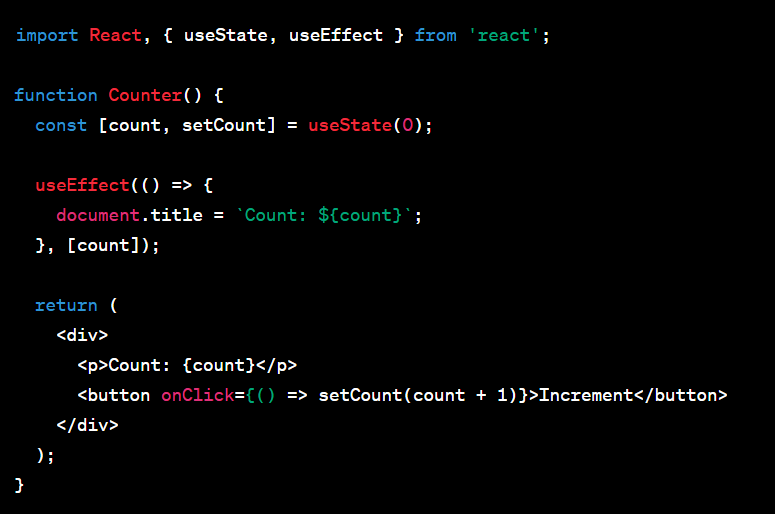
2. Leverage React Hooks for State Management: React Hooks introduced in React 16.8 have revolutionized state management and lifecycle methods in functional components. By using the useState hook, you can easily create and update state variables. The useEffect hook enables handling side effects and component lifecycle events, such as componentDidMount and componentDidUpdate, in a more concise and readable manner. Embrace the power of hooks to simplify your codebase and improve maintainability.
Example:
3. Optimize Performance with React Memoization: React Memoization is a technique to optimize component rendering by memoizing the output based on the component’s inputs. By wrapping components with React.memo, you can prevent unnecessary re-rendering when the inputs remain the same. This is particularly beneficial for large and complex applications where rendering performance is crucial.
Example:

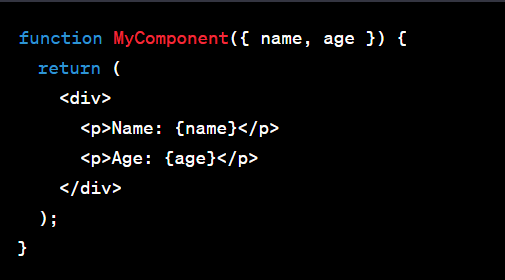
4. Destructure Props for Cleaner Code: When passing props to a component, destructuring can significantly improve code readability and reduce unnecessary verbosity. Instead of referencing props through the props object, you can destructure the required props directly. This approach simplifies the code and allows for a more concise component implementation.
Example:
5. Use React DevTools for Debugging: React DevTools is a powerful browser extension that provides a suite of tools for inspecting, debugging, and profiling React applications. It allows you to examine the component hierarchy, inspect component state and props, and track component updates in real-time. By leveraging React DevTools, you can streamline your debugging process, identify performance bottlenecks, and optimize your React applications.
Conclusion: By implementing these five tips and tricks, you’ll be well on your way to mastering ReactJS and building more efficient and maintainable applications. Remember to leverage React Fragments for cleaner code, embrace the power of React Hooks for state management, optimize performance with React Memoization, use object destructuring to simplify prop handling, and make the most of React DevTools for seamless debugging. Happy coding and may your React journey be filled with success!
 Dark Legion