
Introduction
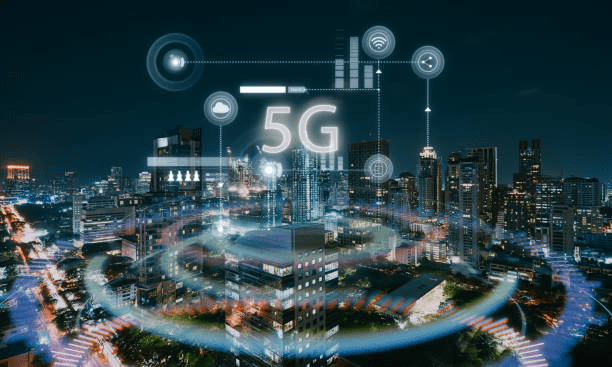
5G technology is the next generation of mobile internet connectivity that promises faster speeds, lower latency, and better reliability. It is set to transform the way we live, work, and communicate, bringing about a new era of innovation and technological advancements. In this blog post, we will explore what 5G technology is, how it works, its benefits, and its impact on various industries.
What is 5G technology?
5G technology is the fifth generation of wireless mobile networks, designed to offer faster internet speeds and better connectivity than its predecessor, 4G. It uses a combination of advanced hardware, software, and network technologies to achieve this, including millimeter-wave radio frequencies, massive MIMO (multiple input, multiple output) antennas, and network slicing.
How does 5G technology work?
5G technology works by using a higher frequency spectrum than 4G, enabling it to transmit more data over a shorter distance. It also uses MIMO technology, which allows multiple antennas to be used for both transmitting and receiving data, increasing the capacity and speed of the network. Additionally, 5G networks use network slicing, which allows different types of services to be allocated their own dedicated network slice with specific quality of service (QoS) requirements.
Benefits of 5G technology
- Faster speeds – With 5G technology, users can expect internet speeds up to 20 times faster than 4G, enabling faster downloads, streaming, and gaming experiences.
- Lower latency – 5G technology has significantly lower latency than 4G, reducing the time it takes for data to travel between devices and servers. This means that applications requiring real-time data, such as augmented reality (AR) and virtual reality (VR), will run smoother and with less lag.
- Better connectivity – 5G technology is designed to support a large number of devices, enabling the Internet of Things (IoT) to grow and become more integrated into everyday life.
- Enhanced network coverage – 5G technology uses higher frequency bands, enabling it to provide coverage in areas that were previously difficult to reach.
Impact of 5G technology on various industries
- Healthcare – 5G technology has the potential to revolutionize the healthcare industry, enabling remote consultations, surgeries, and monitoring of patients. It also allows for real-time transmission of patient data, improving the speed and accuracy of diagnosis and treatment.
- Manufacturing – 5G technology can improve manufacturing processes by enabling real-time monitoring and analysis of machines and processes, reducing downtime and increasing productivity.
- Transportation – 5G technology can improve transportation by enabling connected and autonomous vehicles to communicate with each other and with road infrastructure in real-time, reducing accidents and improving traffic flow.
- Entertainment – 5G technology can enhance the entertainment industry by enabling immersive AR and VR experiences, as well as enabling faster downloads and streaming of high-quality content.
Conclusion
5G technology is set to transform the way we live, work, and communicate, offering faster speeds, lower latency, and better connectivity. Its impact will be felt across a wide range of industries, including healthcare, manufacturing, transportation, and entertainment. As we continue to develop and implement this technology, we can expect to see new and innovative use cases that we have yet to imagine.
 Dark Legion